
Nigeria's higher education landscape is on the cusp of an exciting transformation - one that could unlock massive entrepreneurial potential and position the country as a leader in innovation across Africa.
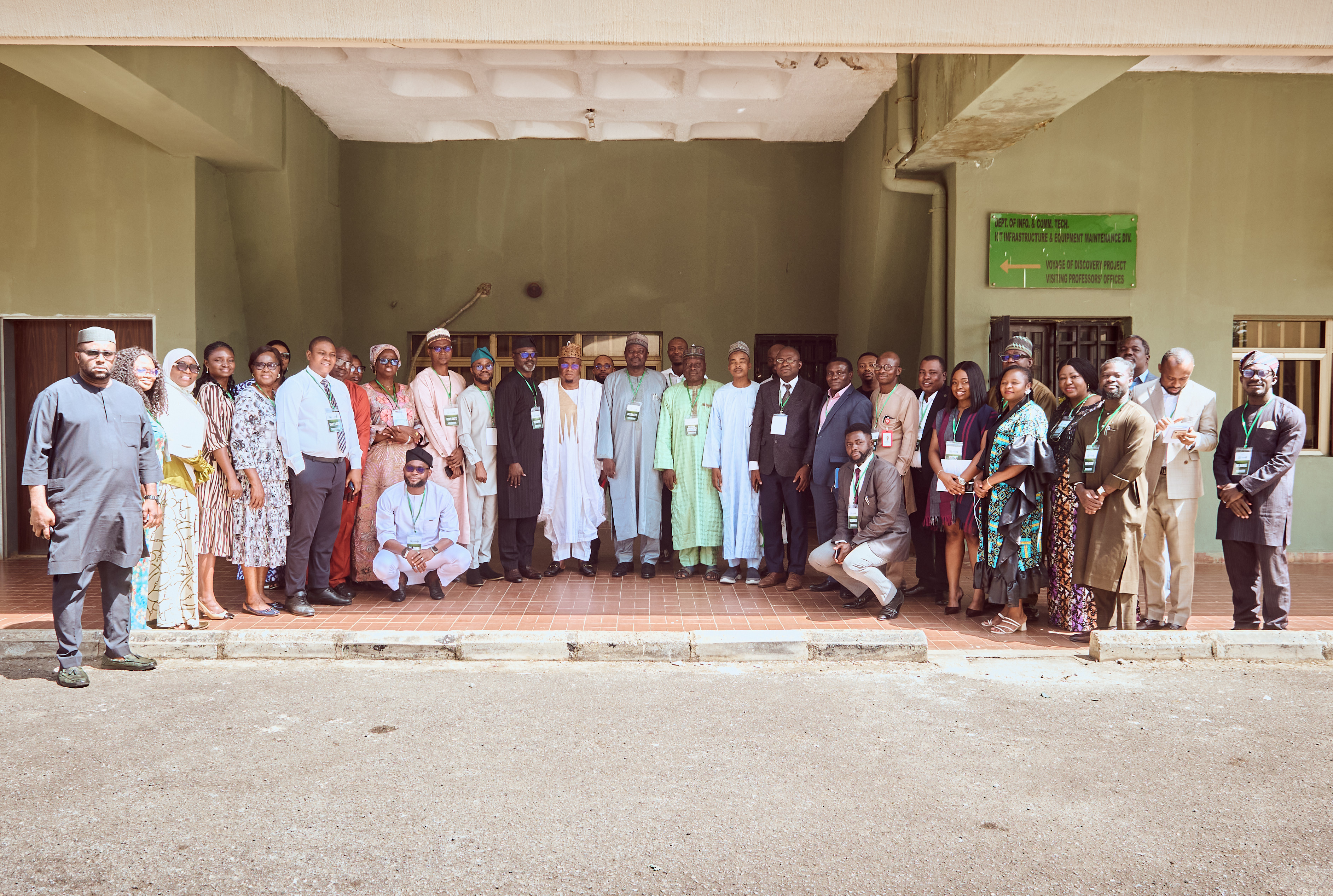
In November 2025, a landmark Stakeholder Roundtable titled “Rethinking Entrepreneurship and Innovation in Higher Education in Nigeria” brought together key players from government, academia, industry, and international partners. Co-hosted by EyeCity Africa and the National Universities Commission, the event sparked vital conversations about evolving higher education institutions (HEIs) into vibrant hubs that produce job creators, scalable ventures, and real-world solutions.
This gathering wasn't just talk; it highlighted real progress, identified opportunities for acceleration, and set concrete next steps. Here's why it matters and what it signals for Nigeria's future.
Held on November 18, 2025, in Abuja (with some sources noting related coverage around November 20), the roundtable drew senior representatives from:
The discussions focused on practical ways to strengthen university-industry linkages, commercialize research, protect intellectual property, and provide students and faculty with mentorship, incubation, and funding to turn ideas into enterprises.
EyeCity Africa shared preliminary findings from its national study on entrepreneurship and innovation in Nigerian HEIs through it's HEI Innovation Practice - painting an optimistic picture of momentum already underway:
These stats show that innovation is already alive on Nigerian campuses; students and researchers are building solutions that have grown into successful ventures. The foundation is strong; the next phase is scaling it deliberately.
Ongoing updates to the Core Curriculum and Minimum Academic Standards (CCMAS) are prioritizing:
Participants called for even more:
Lawal Mohammed Faruk, Director of Research, Innovation, and Information Technology at NUC (representing the Executive Secretary), captured the spirit:"Universities are more than centres of instruction; they are engines of innovation and national development... Innovation should be seen as a system, a culture, and a national asset that must be nurtured to scale and be sustained."

Abraham Omotayo, Associate Director at EyeCity Africa, added:"Innovation already exists on campuses... but more deliberate structures are needed to translate ideas into scalable products, enterprises, and market-ready solutions."

One of the roundtable's biggest outcomes was the launch of a dedicated Innovation Working Group. This collaborative body - permanently including the NUC, EyeCity Africa, and British Council, plus other members, will:
This group ensures the energy from the roundtable translates into lasting change.
Nigeria's youthful, talented population combined with a dynamic higher education system creates enormous opportunity. By nurturing innovation as a core national asset, these efforts can help graduates solve local and global problems, launch enterprises, reduce reliance on limited formal jobs, and drive inclusive economic growth.
Higher education is stepping up as a frontline catalyst for Africa's prosperous future. Initiatives like this roundtable show coordinated, optimistic action is happening now, and it's perfectly timed for projects focused on youth empowerment, startup ecosystems, practical skills training, or bridging academia and industry in Nigeria.
If you're working in education reform, innovation support, or entrepreneurial development, this momentum is worth watching closely. It signals real systemic support on the horizon.
Watch the event highlights here.
.png)

